What Does a Solar Inverter Actually Do? A Simple Explainer
In plain terms, a solar inverter turns the power from your panels and battery into the electricity your appliances use, and manages it all automatically. Learn more in this article
September 28, 2026 3 minutes
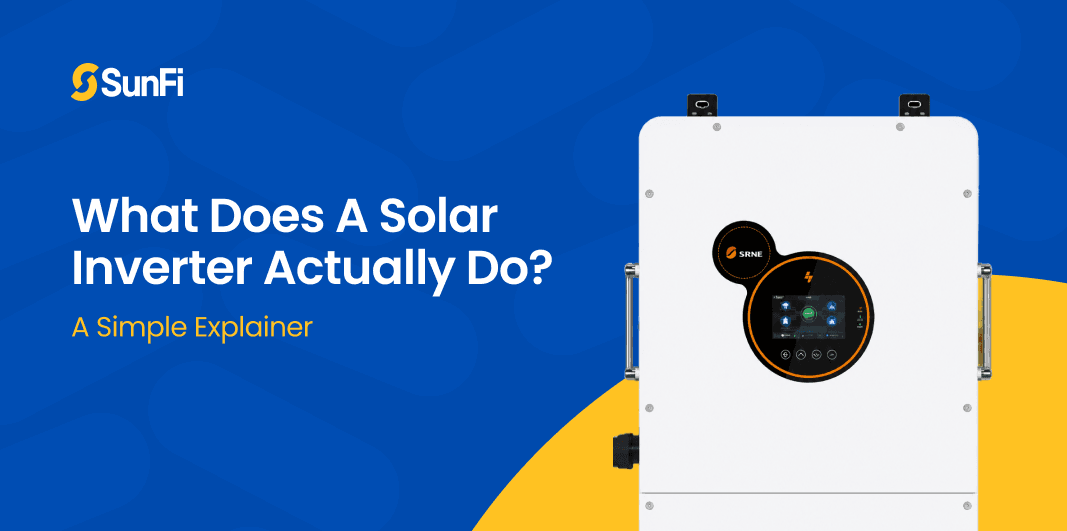
If you are considering solar for your home or business, you have probably come across the term solar inverter.
You may know that it is an important part of a solar system, but what does a solar inverter actually do?
In simple terms, a solar inverter converts the electricity generated by your solar panels or stored in your battery into electricity that your appliances can use. Depending on the type of inverter, it can also manage how electricity flows between your solar panels, battery, grid and appliances.
Think of the inverter as the control centre of your solar system. It helps manage the available power and ensures that the electricity supplied to your appliances is in a form they can use.
Understanding what an inverter does can help you make better decisions when choosing a solar system for your home or business.
What Does a Solar Inverter Do?
Solar panels generate electricity as direct current (DC) when sunlight hits them. However, most appliances in your home or business use alternating current (AC).
The solar inverter converts the DC electricity generated by the panels into AC electricity that can be used by your appliances.
In a system with batteries, the inverter can also convert DC electricity stored in the battery into AC electricity when you need to power your appliances.
This makes the inverter the link between the electricity your solar system generates or stores and the electricity your appliances actually use.
Depending on the type of inverter, it can also:
- Manage electricity coming from your solar panels
- Control the charging and discharging of your battery
- Switch between solar, battery and grid power
- Monitor the performance of the system
- Protect the system from certain electrical faults
- Help regulate the electricity supplied to your appliances
So, while converting DC to AC is its most basic function, a modern solar inverter can do much more than that.
How Does a Solar Inverter Work?
The exact process depends on the type of solar system you have, but here's a simplified version of what happens in a typical solar-plus-battery system.
- Step 1: Sunlight hits your solar panels
The process starts when sunlight reaches your solar panels.
The panels convert sunlight into direct current (DC) electricity. How much electricity they produce depends on factors such as sunlight intensity, weather conditions, panel capacity and the time of day.
- Step 2: The solar power is managed by the system
The electricity generated by the panels is sent towards the inverter.
Modern solar inverters often have a built-in MPPT (Maximum Power Point Tracking) charge controller, which helps the system get as much usable energy as possible from the solar panels while managing battery charging where applicable.
Some systems may instead use a separate charge controller.
- Step 3: The inverter converts DC to AC
The inverter converts the DC electricity generated by the panels, or supplied by the battery, into alternating current (AC).
This is the form of electricity used by most household and business appliances.
- Step 4: The inverter manages the available power
In a system connected to both solar and the grid, the inverter can determine how available electricity is used depending on the system configuration.
For example, a hybrid system may prioritise solar power, charge the battery with excess solar energy and use the grid when additional power is required.
When the grid goes off, a suitable hybrid inverter can switch to battery power to keep connected loads running.
- Step 5: Your appliances receive power
Once the electricity has been converted and managed, it can flow into your home's or business's electrical system and power the appliances connected to the solar system.
If there is more solar energy available than you are using, the system may send the excess to the battery for use later, depending on how the system has been configured.
Types of Solar Inverters
Not all solar inverters work in the same way. The type you need depends on whether you want to operate independently of the grid, use solar alongside the grid, or have battery backup during outages.
Off-Grid Inverters
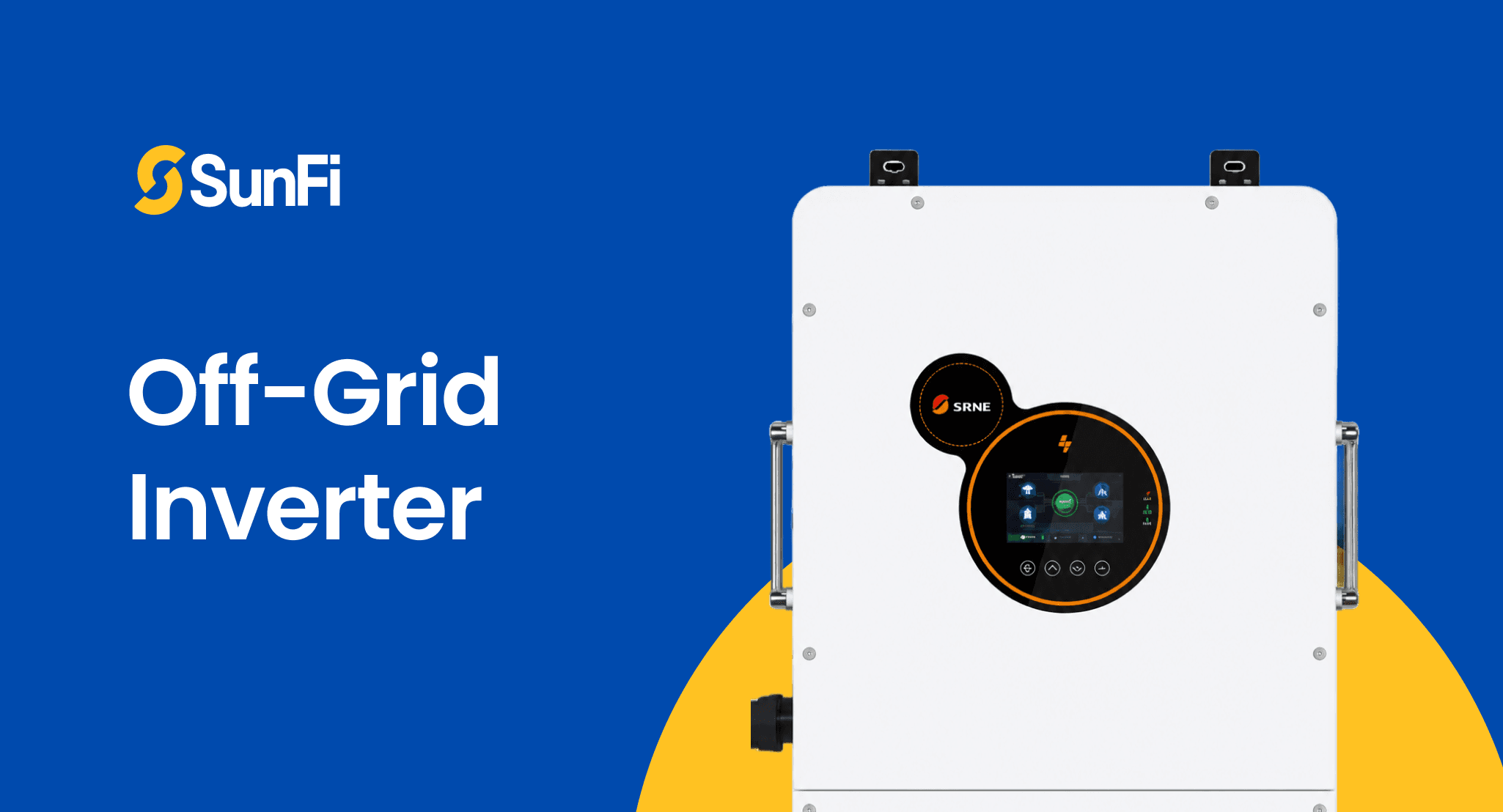
An off-grid inverter is designed for a solar system that operates independently of the electricity grid.
Solar panels generate electricity during the day, while excess energy can be stored in batteries for use when solar generation is low or unavailable.
Because there is no grid supply to fall back on, the system needs enough solar generation and battery storage to meet your electricity requirements.
The trade-off: An off-grid system requires careful sizing of both the solar panels and battery because there is no grid connection to provide additional power when solar generation or battery storage is insufficient.
Hybrid Inverters
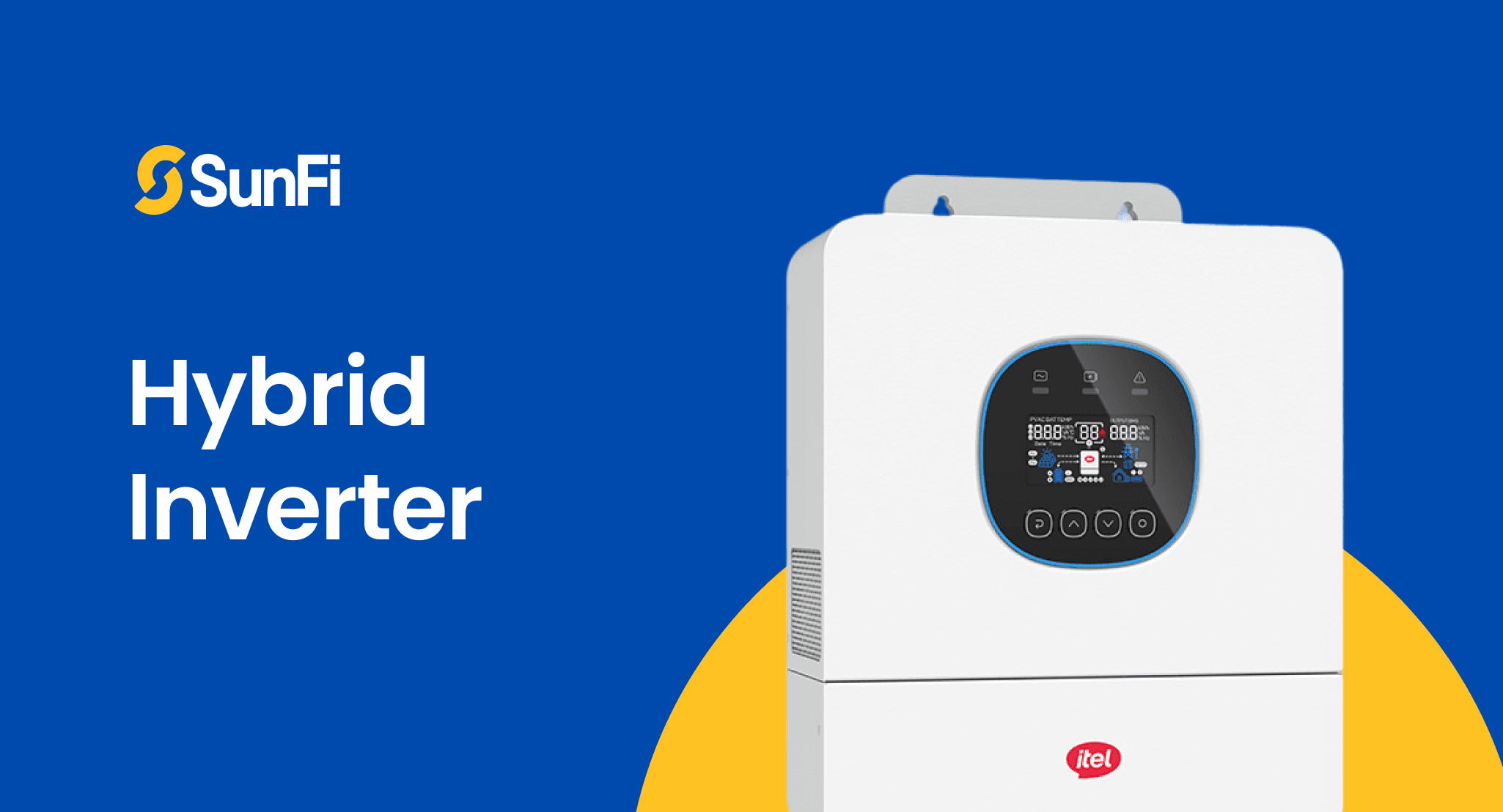
A hybrid inverter can manage electricity from solar panels, batteries and the grid within the same system.
For example, during the day, solar power can run your appliances while excess energy charges the battery. When solar generation is insufficient, the system can draw from the battery or grid, depending on its settings.
When the grid goes off, a compatible hybrid system can use stored battery energy to provide backup power to selected loads.
The trade-off: Hybrid systems can cost more than simpler grid-tied systems, particularly when combined with sufficient battery storage. However, they offer greater flexibility for systems that need both solar generation and backup power.
On-Grid Inverters
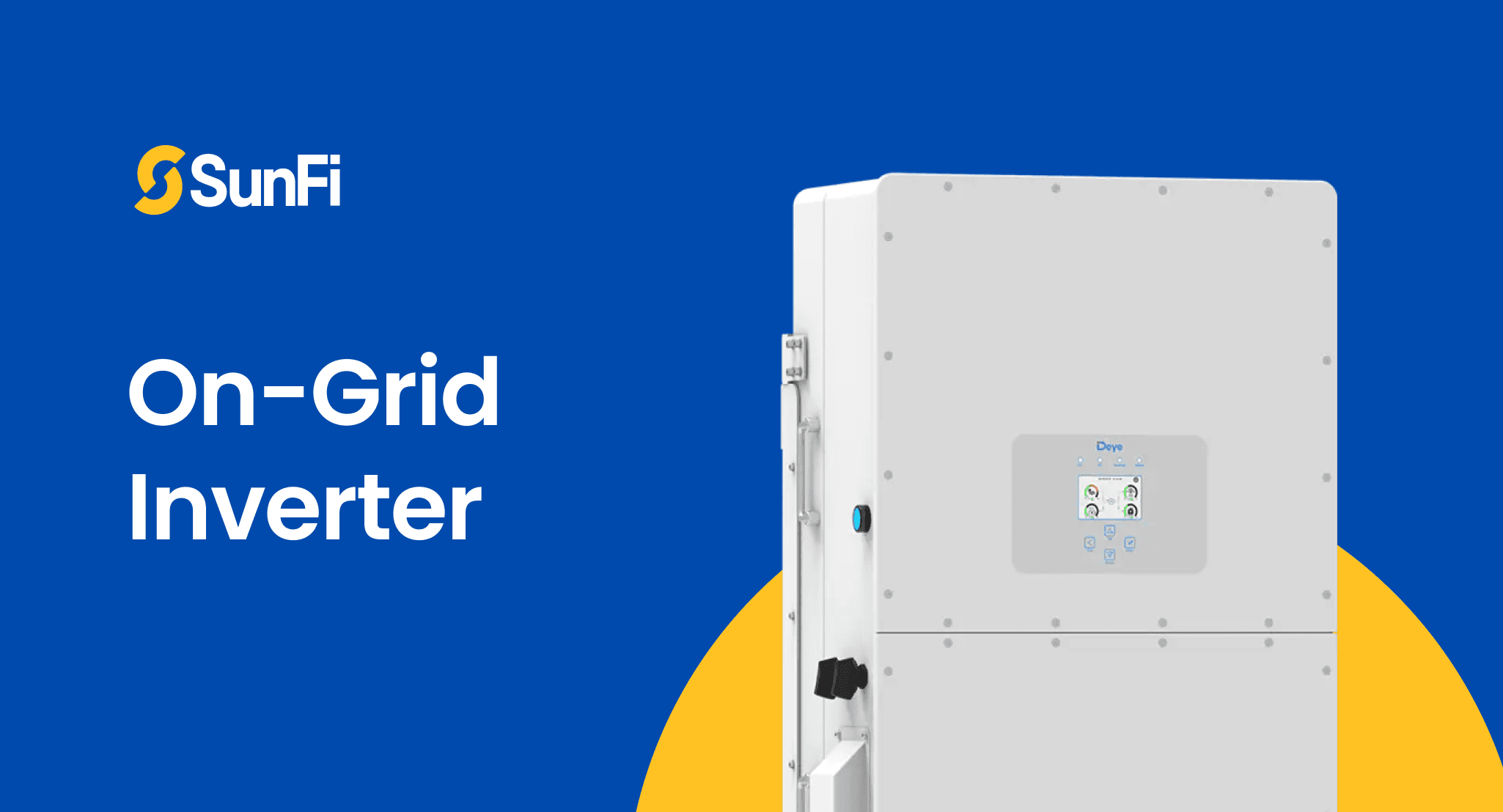
An on-grid inverter connects a solar system to the electricity grid.
It converts the DC electricity generated by the panels into AC electricity that can be used by the property, while allowing the system to work alongside the grid.
A standard on-grid system does not provide backup power when the grid goes down. This is because most on-grid inverters are designed to shut down during a grid outage for safety reasons.
The main purpose of an on-grid system is therefore to allow you to use solar energy and reduce the amount of electricity you need to draw from the grid.
The trade-off: Without a suitable battery-backup configuration, your solar system will not continue powering your property during a grid outage.
Which Solar Inverter Is Right for Your Home or Business?
There is no single inverter type that is right for everyone. The choice depends on how you want to use solar power and what you need your system to do.
An off-grid inverter may be suitable if you want your property to operate independently of the electricity grid and have enough solar generation and battery storage to meet your needs.
A hybrid inverter may be suitable if you want to combine solar, battery storage and grid electricity, particularly if you want backup power when the grid goes out.
An on-grid inverter may be suitable if your primary goal is to use solar power alongside the grid and reduce your reliance on grid electricity, without needing battery backup during outages.
The inverter type is only one part of designing a solar system. The size of the inverter and battery, the number and type of appliances you want to power, your electricity consumption, expected outage duration and available solar generation all need to be considered together.
How Long Does a Solar Inverter Last?
A good-quality solar inverter can typically last around 10 to 15 years, although its actual lifespan depends on factors such as the model, installation, operating conditions, maintenance and how heavily it is used.
Solar panels generally have a longer operating life, which means you may need to replace the inverter at some point during the lifetime of your solar system.
Signs that an inverter may need attention can include:
- Frequent system shutdowns
- Persistent error messages
- Unexpected drops in system performance
- Unusual noises or overheating
The inverter failing to operate when the rest of the system appears to be functioning normally
Keeping the inverter properly ventilated and protected from excessive heat and moisture can also help it operate reliably over time.
Frequently Asked Questions About Solar Inverters
Does a solar inverter turn off at night?
It depends on the type of system.
A standard on-grid inverter generally stops producing power from the solar panels when there is no sunlight and enters a standby state.
A hybrid or off-grid system with battery storage can continue supplying power to connected appliances at night using energy stored in the battery.
Can a solar inverter work without a battery?
Yes.
An on-grid solar system can operate without a battery, using solar power when it is available and relying on the grid when solar generation is insufficient.
However, a standard on-grid system will not provide backup power during a grid outage.
A solar system can also be designed with a hybrid inverter and no battery initially, with battery storage added later if the inverter supports it.
Does a solar inverter stop charging when the battery is full?
A properly configured battery charging system will stop or reduce charging once the battery reaches its appropriate charge level.
The inverter or charge controller manages the charging process according to the battery's requirements and the system's configuration.
Can I connect my solar panels directly to an inverter?
It depends on the inverter.
Many modern hybrid and off-grid inverters have a built-in solar charge controller, allowing solar panels to be connected directly to the inverter's solar input within the manufacturer's specified limits.
Other inverter types may require a separate charge controller.
Because incorrect connections can damage equipment or create safety risks, solar panels should be connected according to the inverter manufacturer's specifications and installed by a qualified professional.
Getting the Right Solar Inverter for Your Needs
The inverter is one of the most important components of a solar energy system, but choosing one should not be based on the inverter alone.
Your appliances, electricity consumption, solar panel capacity, battery capacity and backup requirements all need to work together.
If you are unsure what type or size of inverter you need, the SunFi team can help you understand your options and find a solar solution suited to your power requirements.
You can chat with a SunFi representative on WhatsApp or call 02018871099 to get started.

Henry Adepegba
ABOUT AUTHOR
SEO Associate
Leave a Reply
Your email address will not be published.