The Hidden Cost of Living in a Home Without Steady Electricity
This blog introduces the SunFi and Paragone partnership while also discussing the emotional and financial costs of living in a home without steady electricity.
December 4, 2025 3 minutes
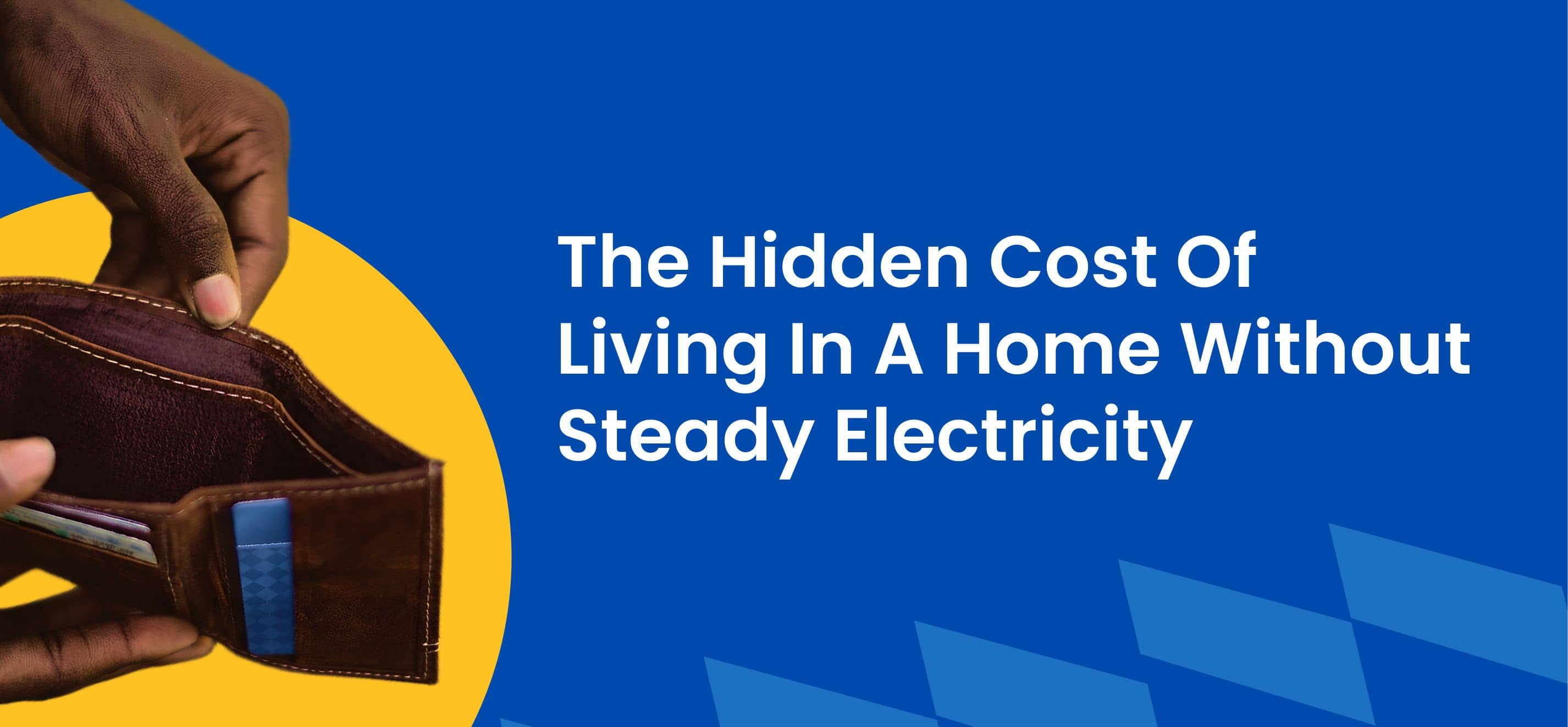
If the Nigeria Electricity company had a customer care line for emotional complaints, Nigerians would crash their hotline daily.
Let me tell you a story.
Last month, I decided to host a movie night with my friends
I bought popcorn, chilled drinks, dimmed the lights, pressed “Play”…
and suddenly, the light went off.
The TV went blank.
My friends screamed.
I sighed.
And then, with the confidence of a Marvel superhero,I said,
"Don’t worry, I will turn on the generator."
I marched outside.
Pulled the starter.
The generator coughed once… twice… and then died dramatically like a Nollywood actor in slow motion.
At that moment, the only thing working in the entire house was everyone’s disappointment..
So let’s talk about the REAL cost of living in a home without steady electricity.
Spoiler alert: the costs are deeper than darkness and louder than your neighbor’s generator at midnight.
Most people think the cost of unreliable electricity is just the price of fueling a generator or paying higher bills. But anyone who has lived in a Nigerian home without steady power knows the truth: the real cost is far deeper. It shows up in your finances, your emotions, your time, and even your long-term wellbeing at home.
Living in a home without steady electricity is far more expensive and stressful than most people realize. The financial burden starts with generators that constantly demand fuel, servicing, oil, and repairs, quiet expenses that add up like a second rent. Voltage fluctuations destroy appliances long before their lifespan ends, forcing households to replace fridges, TVs, freezers, pumps, and air conditioners more often than they should. And beyond the home, people spend extra money seeking power elsewhere: co-working spaces, cafés, fuel for mobile workstations, or even rented office spaces. All of this leads to lost productivity and lost income that nobody calculates, but everyone feels.
The emotional toll is just as heavy. Households live with the ongoing fear of food spoiling, medications going bad, and baby essentials becoming unusable during long outages. Nights become battles with heat and mosquitoes, ruining sleep and affecting health, mood, and daily performance. Darkness interrupts family routines, homework stalls, cooking becomes stressful, and everyone is forced to reshuffle their lives around power cuts. A home without steady electricity stops feeling like a place of comfort.
Then there’s the hidden cost of time. Hours disappear into managing power: switching to generators, queueing for fuel, calling technicians, charging gadgets outside, or waiting for repairs. Outages disrupt tasks, prolong chores, and delay work. Every generator failure adds more downtime. These moments seem small, but together they drain precious hours that families never get back.
Because of all this, investing in a reliable power solution isn’t a luxury — it’s a life upgrade. Stable power dramatically reduces long-term expenses, protects appliances, improves sleep and productivity, and restores peace in the home. Homes with dependable power also have higher rental and resale value because they solve one of Nigeria’s biggest everyday problems.
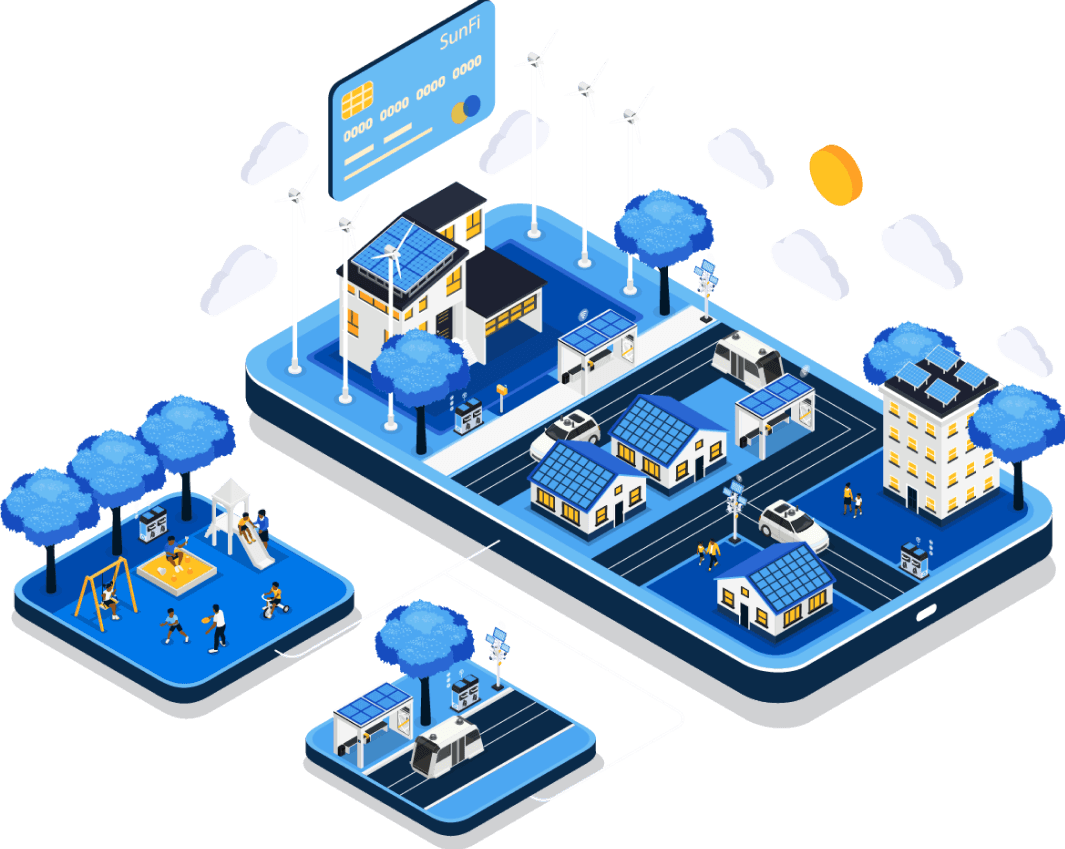
This is why partnerships like Paragone and SunFi matter. When real estate developers work with clean-energy financing providers like us, homeowners no longer carry the full financial burden alone or struggle to figure out power solutions by themselves. Instead, they gain structured, accessible financing and homes designed with reliable power from day one. Families enjoy better living standards, predictable energy costs, and properties that grow in value. It’s a practical, long-term solution, not a temporary fix and it represents a shift toward making reliable electricity a standard part of what makes a home truly livable.
In the end, we laugh about moments when the grid fails, but the reality is serious: the financial drain, emotional stress, lost hours, and daily frustration all add up. A home should be a place of rest, not constant crisis management. Reliable power isn’t about luxury or showing off; it’s about living well, saving money, protecting your sanity, and building a home that supports your goals.

Temilolaoluwa Oyedero
ABOUT AUTHOR
Marketing Intern
Leave a Reply
Your email address will not be published.