5 Solar Mistakes Nigerians Make (and How to Avoid Them)
Planning to install solar in Nigeria? Avoid these 5 common installation mistakes, from the wrong system size to cheap parts, so your system lasts and works well.
September 14, 2026 3 minutes
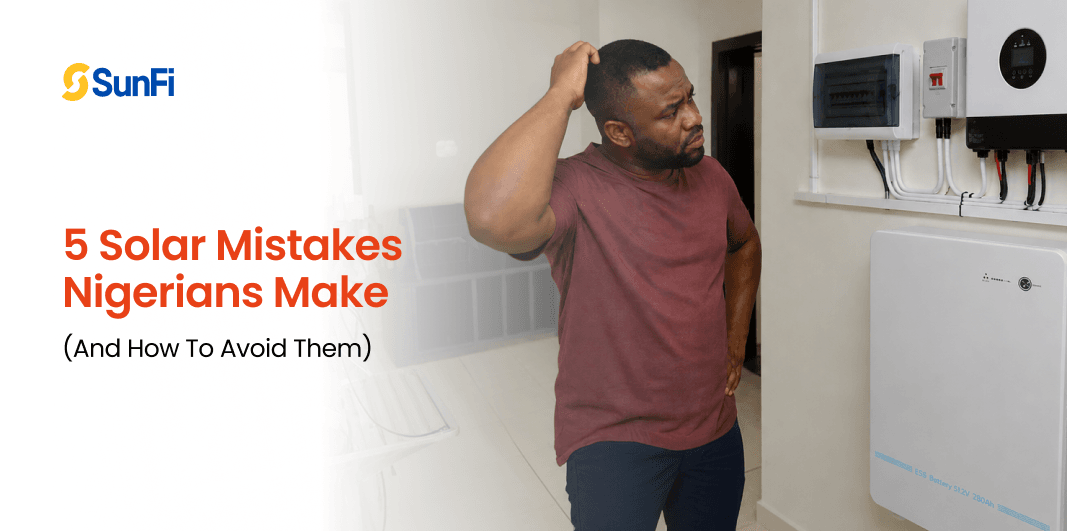
For many Nigerians, solar is still something to aspire to. While adoption is growing rapidly, the technology is still relatively new to many households and businesses. And when people are switching to something they don’t fully understand yet, a knowledge gap is bound to exist.
Solar is no exception. In the rush to escape the generator and unreliable grid power, it’s easy to make one costly mistake after another from choosing the wrong system to getting the installation wrong.
The five most common solar mistakes in Nigeria are buying the wrong system size, choosing cheap components to save money, using an untrained installer, skipping a proper load assessment, and ignoring the condition of your roof. Each of these mistakes is avoidable once you know what to look out for. And knowing what to avoid can make the difference between a solar system that serves you reliably for years and one that leaves you with more problems than power.
What Are the Most Common Solar Installation Mistakes in Nigeria?
Most solar problems do not come from the technology itself. They come from decisions made before and during installation.
- Mistake 1: Buying the wrong system size
This is one of the most common mistakes. Many people do not know exactly how much power they need, so they end up buying a system that is too small for the appliances they want to run. A system that cannot meet your energy needs will be overworked, drain its battery quickly, and may leave you without power when you need it most.
How to avoid this mistake: Start with what you actually want to power and for how long, then let that determine the system size. Make a simple list of your essential appliances before speaking to a provider. A good provider will size the system around your needs, rather than simply selling you a fixed package that may not be suitable for your home.
If you are unsure where to start, call us on 02018871099 or chat with a SunFi rep to help you find a system that fits your needs.
- Mistake 2: Choosing cheap parts to save money
It is tempting to choose the cheapest quote, but with solar, cutting costs upfront can lead to bigger expenses later. Low-quality batteries can fail sooner, while poor-quality cables and fittings can cause faults and, in some cases, create serious safety risks.
This is a recognised issue in Nigeria, where experts have highlighted substandard imported components as a common cause of solar installation problems.
A structural engineer told Vanguard that good-quality, correctly rated cables are “slightly more expensive and therefore preferable” to cheaper imported alternatives. He also noted that his own system, installed with the right materials, has served him well for more than a decade.
How to avoid it: Do not judge a solar system by its price tag alone. Ask what battery, cables, fittings and other components are being used, and prioritise quality and durability. Paying a little more upfront can save you significantly in repairs and replacements later.
- Mistake 3: Using an untrained installer
A solar system is only as reliable as its installation. An untrained installer may offer a cheaper price, but poor workmanship can lead to electrical faults, roof leaks, fires and other problems.
As a certified installer explained to Vanguard, most fires, roof leaks and structural damage are linked to “poor workmanship, substandard materials” and poor maintenance, rather than the solar technology itself.
How to avoid it: Work with a trained and reputable installer with a track record you can verify. At SunFi, we do more than help you choose a solar system—we also provide installation services. During the sales process, our representatives take the time to understand your energy needs so the system and installation can be matched to your requirements.
- Mistake 4: Skipping a proper load check
A load check means working out how much power your home actually uses before choosing a solar system. Skip this step and you are essentially guessing the system size, which can take you straight back to Mistake 1.
Your neighbour's system may work perfectly for them but be completely unsuitable for your home because your appliances, usage patterns and energy demands are different.
How to avoid it: Ask your provider to assess your actual usage, including which appliances you run and how many hours you use them each day. Your electricity bills or prepaid meter history can also provide useful information. Your solar system should be designed around your actual energy needs, not a guess or someone else's setup.
- Mistake 5: Ignoring the condition of the roof
This is a step that is easy to overlook. Solar panels and their mounting equipment add weight to a roof, so an old or weakened roof may need to be assessed before installation. Poor installation can also create points where water enters the roof, leading to leaks—particularly during Nigeria's rainy season.
A building expert told Vanguard that roof leaks often occur when installers fail to properly seal the points where panels are fixed, and recommended a structural check for older roofs before installation.
How to avoid it: Check the condition of your roof before installation and ask whether a structural assessment is necessary. A good installer should raise this issue when assessing your property. Be cautious if an installer is ready to mount panels without considering the condition of the roof.
How Do You Avoid These Mistakes Altogether?
The thread running through all five mistakes is simple: plan properly, choose quality, and work with people you can trust.
Do not rush the decision, chase the cheapest option, or skip the necessary checks. A solar system is a long-term investment, and doing your due diligence at the start can save you from expensive repairs, replacements and disappointments down the line.
If you want to be fully prepared before speaking to a solar provider, our guide on 8 things to know before talking to a solar company walks you through what you should have ready.
Frequently Asked Questions
- What is the most common solar installation mistake in Nigeria?
Buying the wrong system size is one of the most common mistakes, particularly when the system is too small for the appliances the customer expects to power. This often happens because there was no proper load assessment before the system was selected.
- Are cheap solar parts really a problem?
Yes. Low-quality batteries may have shorter lifespans, while poor-quality cables and fittings can cause faults and create safety risks. Experts have also highlighted substandard imported components as a common source of solar installation problems in Nigeria, making quality components worth the investment.
- Why does the installer matter so much?
Because installation quality has a major impact on how safely and reliably a solar system operates. Poor workmanship can contribute to issues such as electrical faults, fires and roof leaks. Working with a trained, reputable installer also gives you access to proper installation and after-sales support.
- Do I need to check my roof before installing solar?
Yes, particularly if your roof is old or its condition is uncertain. Solar panels and their mounting equipment add weight, while poor installation can create leaks. Check the roof's age and condition and ask whether a structural assessment is needed before installation.
- Get It Right the First Time
Avoiding these mistakes comes down to good planning and choosing the right partner. If you are ready to go solar and want to get it right from the start, you can explore SunFi's solar systems and deals or chat with a SunFi rep. We can help you choose a system that is properly matched to your home's energy needs and installed correctly.

Henry Adepegba
ABOUT AUTHOR
SEO Associate
Leave a Reply
Your email address will not be published.